Unveiling the Precision and Synchronization: The BMW Timing Belt
Introduction:
In the intricate dance of an automotive engine, timing is everything. The precision and synchronization of various components determine the engine’s performance, efficiency, and longevity. At the heart of this symphony lies a crucial component – the BMW timing belt. In this comprehensive exploration, we will delve into the intricacies of the BMW timing belt, understanding its role, significance, and the engineering marvel that defines this critical automotive component.
Role of the Timing Belt:
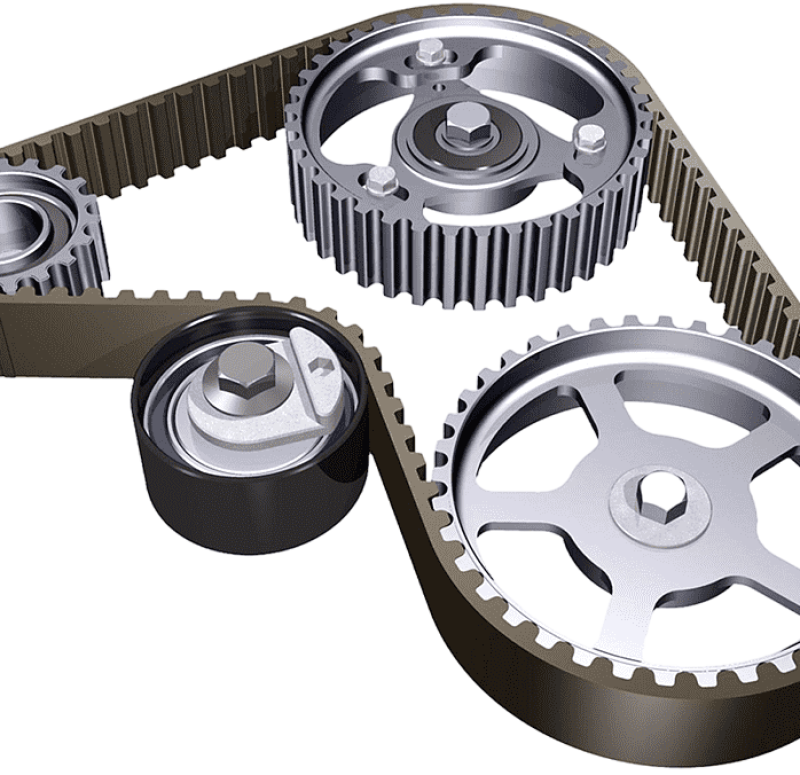
The timing belt, often referred to as a cam belt, is an integral part of an internal combustion engine. Specifically designed for BMW engines, the timing belt is responsible for ensuring the harmonious coordination between the engine’s camshaft and crankshaft. This synchronization is paramount for the precise opening and closing of engine valves during the combustion process.
The camshaft and crankshaft are two essential components in the engine’s operation. The crankshaft converts the reciprocating motion of the pistons into rotational motion, while the camshaft controls the opening and closing of the engine valves. The timing belt plays a pivotal role in maintaining the perfect timing between these components, dictating when the valves should open and close in relation to the position of the pistons.
Significance of the BMW Timing Belt:
The significance of the timing belt in a BMW engine cannot be overstated. It is a critical component that ensures the proper functioning of the engine, allowing for optimal performance, fuel efficiency, and, most importantly, preventing catastrophic engine failure. The precision with which the timing belt operates is a testament to BMW’s commitment to engineering excellence.
One of the primary reasons the timing belt is crucial is because it controls the timing of the engine’s valve operation. If the timing is off, it can lead to the pistons and valves colliding, resulting in severe engine damage. This phenomenon is known as interference, and it can lead to bent valves, damaged pistons, and, in extreme cases, a complete engine overhaul.
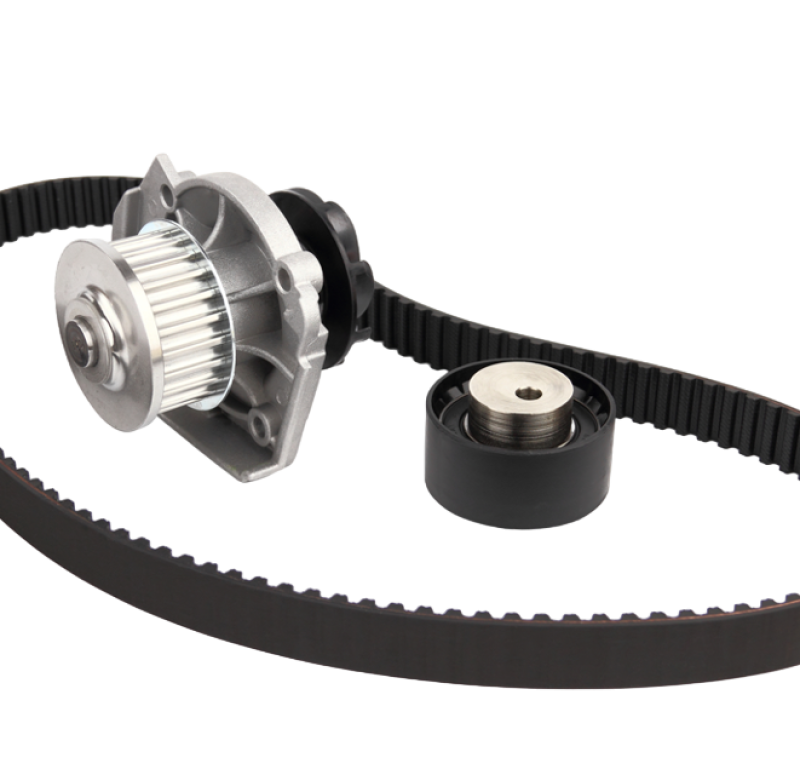
Furthermore, the timing belt also drives other crucial engine components, such as the water pump. In many BMW engines, the water pump is driven by the timing belt. This design choice enhances the efficiency of the engine cooling system, as the water pump circulates coolant through the engine, preventing overheating.
Materials and Construction:
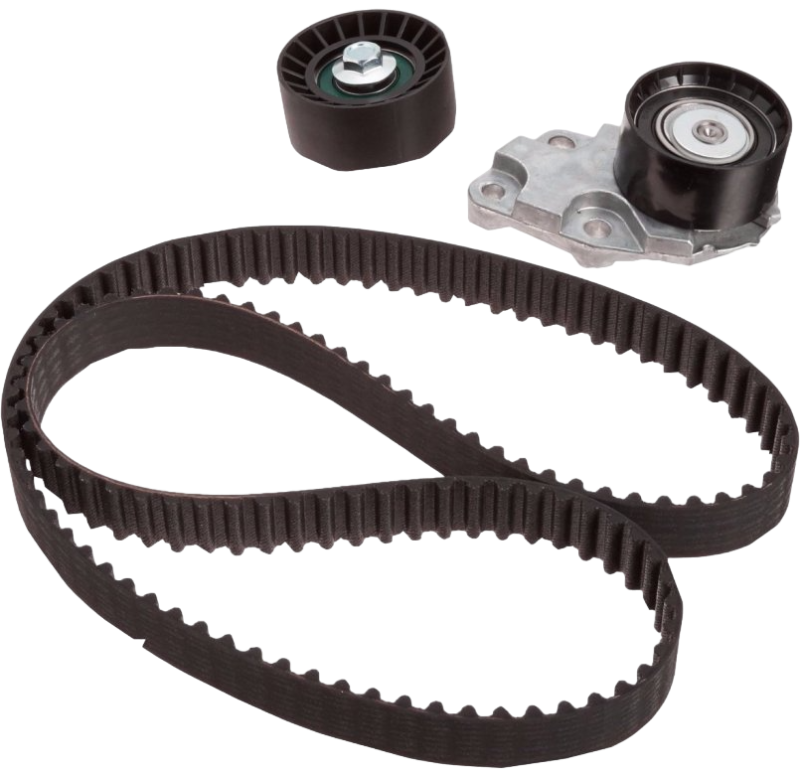
BMW, known for its commitment to quality and precision, ensures that its timing belts are crafted with the utmost care and using high-quality materials. Most modern BMW timing belts are made from a durable rubber compound reinforced with high-tensile fibers, such as fiberglass or Kevlar. This construction ensures that the timing belt can withstand the stresses and strains of the engine’s operation while maintaining flexibility and longevity.
Additionally, the teeth on the inner surface of the timing belt are often coated with a wear-resistant material, such as nylon, to enhance durability and reduce friction. The toothed design of the belt ensures a positive engagement with the camshaft and crankshaft gears, preventing any slippage and maintaining the precise timing required for optimal engine performance.
Maintenance and Replacement:
Despite the robust construction of BMW timing belts, they are not invincible to wear and tear. Over time, the rubber compound may degrade due to exposure to heat, oil, and other environmental factors. Additionally, the constant flexing and tension the timing belt experiences during engine operation contribute to its gradual deterioration.
Routine maintenance and timely replacement are essential to prevent unexpected timing belt failures. BMW typically provides recommended replacement intervals for their timing belts, and adhering to these guidelines is crucial to avoid potential engine damage. In some models, the timing belt replacement may be bundled with other maintenance tasks, such as replacing the water pump or tensioner, to ensure the comprehensive well-being of the engine.
It is noteworthy that not all BMW engines utilize timing belts; some are equipped with timing chains, which have a longer lifespan and require less frequent replacement. However, for those BMW models equipped with timing belts, understanding the recommended replacement intervals is imperative to safeguard the engine’s health.
Conclusion:
The BMW timing belt is a marvel of engineering precision and durability, embodying the brand’s commitment to excellence. Its role in synchronizing the engine’s vital components is fundamental to the smooth operation and longevity of BMW engines. The meticulous construction, high-quality materials, and adherence to maintenance schedules underscore BMW’s dedication to delivering driving experiences that seamlessly blend performance and reliability.
As automotive technology continues to evolve, it is conceivable that future BMW models may adopt alternative solutions, such as timing chains or even more advanced systems. However, for now, the BMW timing belt stands as a testament to the brand’s legacy of precision engineering, ensuring that each journey is not only a drive but a symphony of mechanical excellence.